
Are You a Candidate for Peptide Therapy?
Recovery
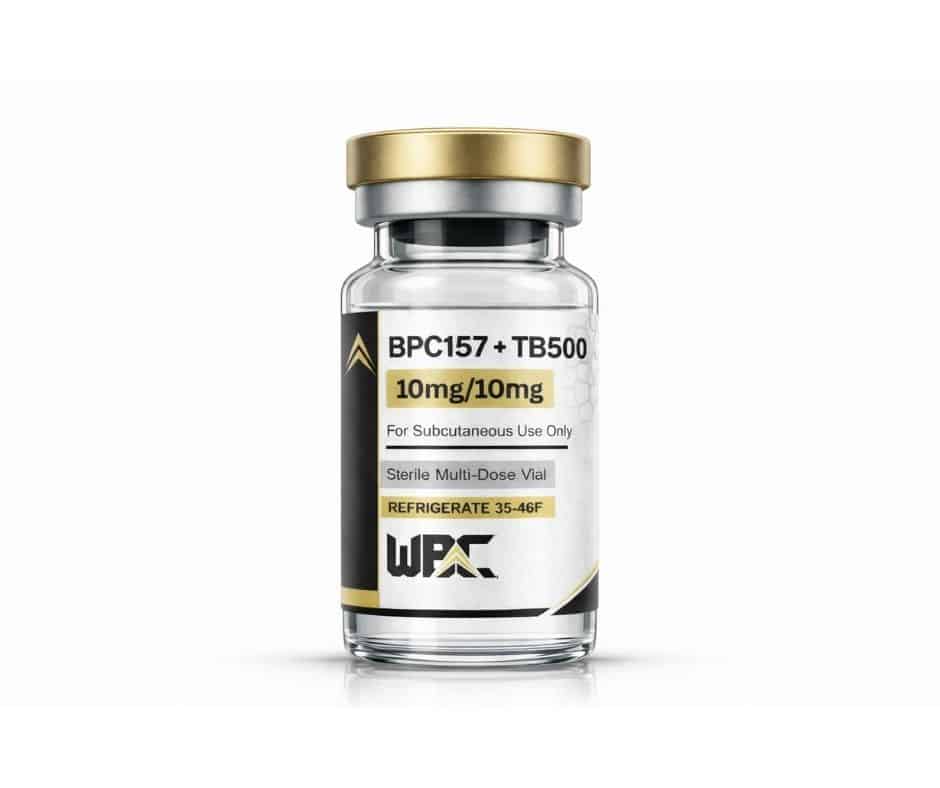
BPC-157 + TB-500
BPC-157 + TB-500 is a popular peptide combination used primarily for healing and recovery.
Here’s a breakdown of their individual and combined benefits:
BPC-157 (Body Protective Compound-157)
Tissue & Muscle Healing – Promotes faster recovery from muscle, tendon, and ligament injuries.
Gut Health – Supports intestinal healing and may help with conditions like leaky gut or ulcers.
Anti-Inflammatory – Reduces systemic inflammation, helping with joint pain and arthritis.
Brain & Nerve Repair – May support cognitive function and nerve regeneration.
TB-500 (Thymosin Beta-4)
Wound Healing & Recovery – Enhances cell migration to injured areas, accelerating healing.
Tissue Regeneration – Aids in muscle, joint, and ligament repair.
Cardiovascular Benefits – May support heart health by improving blood vessel growth.
Anti-Scarring Effects – Helps reduce fibrosis (excessive scar tissue formation).
Why Combine BPC-157 + TB-500?
When used together, these peptides synergize for faster recovery, better healing, and reduced inflammation. Some key benefits of stacking them:
✔ Stronger tissue regeneration (especially for tendons, ligaments, muscles, and joints)
✔ More effective injury recovery (chronic or acute injuries heal faster)
✔ Enhanced flexibility & mobility (by reducing scar tissue buildup)
✔ Improved gut & immune health (both have anti-inflammatory properties)
Common Uses:
- Healing from sports injuries (torn ligaments, tendonitis, muscle strains)
- Post-surgery recovery
- Reducing joint pain & inflammation
- Gut health support
Dosage & Administration:
- Typically injected subcutaneously (SQ) or intramuscularly (IM) near the injury site.
- BPC-157: 250-500 mcg daily
- TB-500: 2.0-5.0 mg, 2-3 times per week
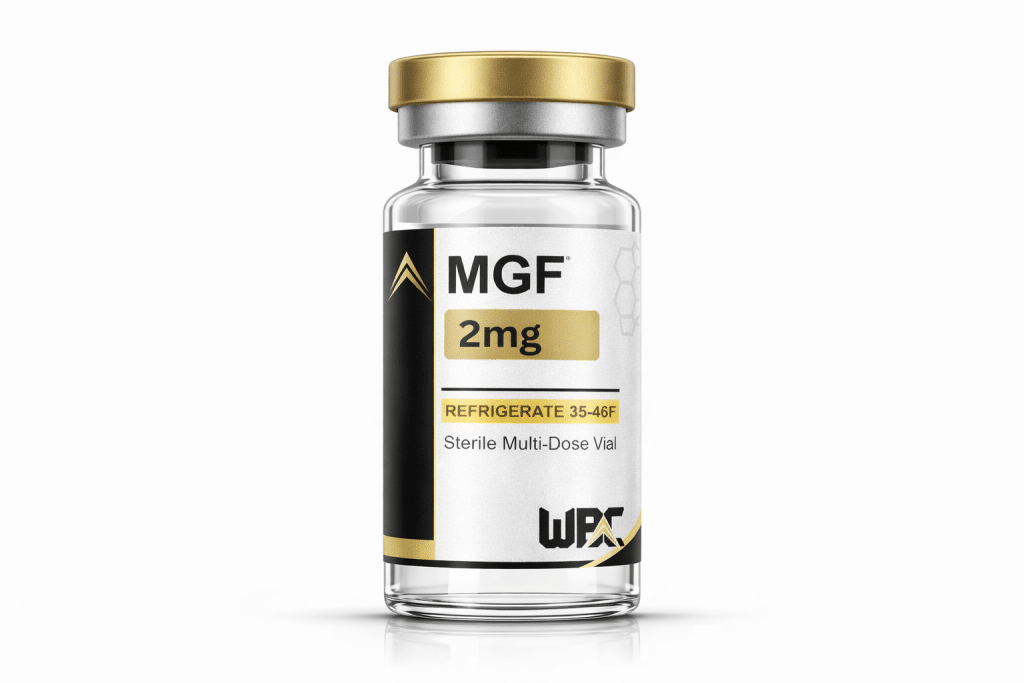
MGF
MGF (Mechano Growth Factor) is a splice variant of IGF-1 that is released in the body following muscle damage or mechanical overload. Its primary role is to stimulate muscle repair, activate satellite cells, and promote localized muscle growth. MGF is often used in peptide therapy to support recovery, strength, and lean mass development, especially in individuals experiencing muscle fatigue, injury, or age-related decline.
MGF is short-acting and works rapidly at the site of injection, making dosing strategy and placement important for optimal results.
Key Benefits
• Accelerates muscle repair and regeneration
• Activates satellite cells (muscle growth precursors)
• Supports recovery from training and injury
• Helps prevent age-related muscle loss (sarcopenia)
• Enhances localized muscle fullness and performance
How It Works
MGF is released naturally after muscle fibers are stressed or damaged.
Its function is to recruit muscle stem cells and initiate the early stages of muscle repair.
Synthetic MGF mimics this effect, promoting enhanced recovery and localized hypertrophy.
Because it acts locally and rapidly, subcutaneous or intramuscular injections near the target muscle are most common.
Administration Methods
1. Subcutaneous Injection – most common and easy to administer
2. Intramuscular Injection – used when targeting a specific muscle group after training
MGF is often paired with IGF-1 LR3 for synergistic effects:
• MGF = early-phase repair
• IGF-1 LR3 = later-phase growth
Dosing Recommendations (Informational Only)
Standard MGF Peptide (non-long acting):
• 100–300 mcg per injection
• Best used immediately post-workout
• Frequency: 3–5× weekly depending on training load
Long-acting PEG-MGF version:
• 200–400 mcg once weekly
• Higher systemic activity and longer half-life
Cycle Duration:
• Typically 4–6 weeks followed by 2–4 weeks off
Notes:
• MGF works best when injected near the worked muscle after resistance training
• Avoid taking MGF at the same time as IGF-1 LR3, as they can interfere with one another’s receptor activity
• Lower doses recommended for beginners or individuals over 45 to reduce systemic fluctuations
Who Benefits Most
• Athletes and lifters focused on muscle recovery
• Individuals healing from muscle injury
• Adults over 40 concerned with muscle loss
• Those experiencing slow recovery or training fatigue
Performance Enhancement:
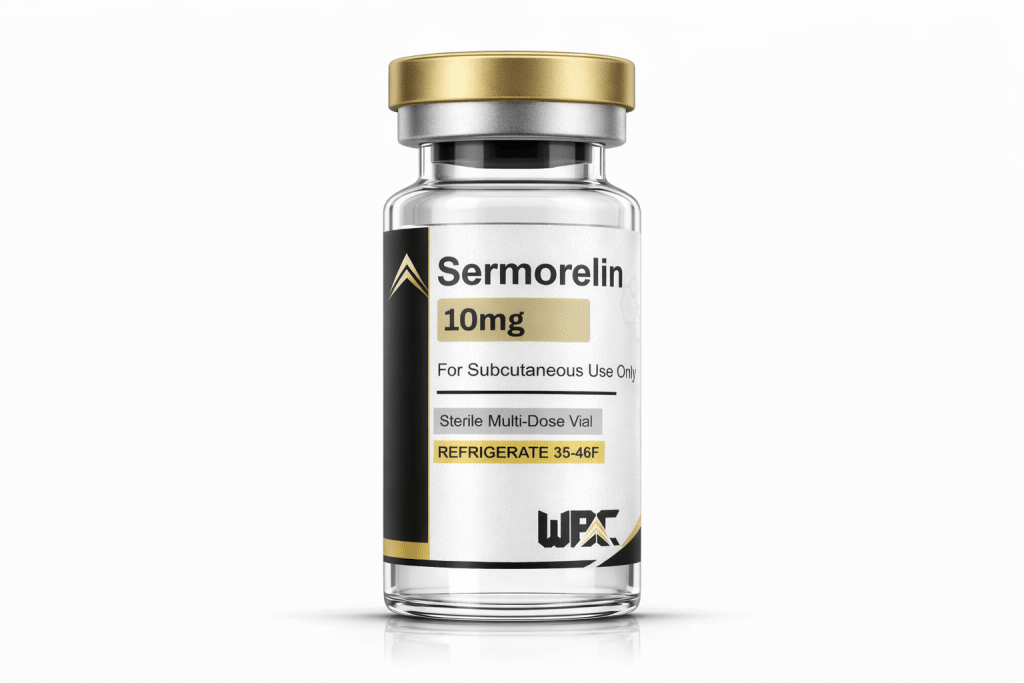
Sermorelin
Sermorelin is a bioidentical peptide designed to stimulate the body’s natural production of growth hormone (GH). Rather than introducing synthetic GH, Sermorelin encourages the pituitary gland to release growth hormone in a controlled, physiologic manner. This makes it a safe and strategic option for adults seeking improved wellness, metabolism, recovery, and healthy aging.
Key Benefits of Sermorelin:
• Boosts natural growth hormone production, supporting metabolism and improved body composition.
• Enhances recovery and cellular repair, making it ideal for active individuals or those experiencing age-related decline.
• Improves sleep quality by increasing restorative deep sleep cycles.
• Supports fat loss through increased lipolysis.
• Promotes healthier skin tone, elasticity, and collagen.
• May enhance cognitive performance, mood, and overall vitality.
• Works with the body’s natural hormone regulation system, reducing risk associated with excessive GH levels.
Safety & Tolerability:
Sermorelin is generally well‑tolerated and considered safer than direct growth hormone therapy because the body controls how much GH is released. Side effects, when present, are typically mild and may include temporary redness or irritation at the injection site.
Who Benefits Most:
Adults experiencing symptoms of declining growth hormone levels—fatigue, poor sleep, increased fat mass, reduced recovery, or decreased performance—often see meaningful improvements from Sermorelin therapy.
Conclusion:
Sermorelin offers a natural, effective way to support hormone balance, energy levels, metabolism, and overall wellness. By stimulating your body’s own GH production, it promotes healthier aging, improved vitality, and long-term well‑being.
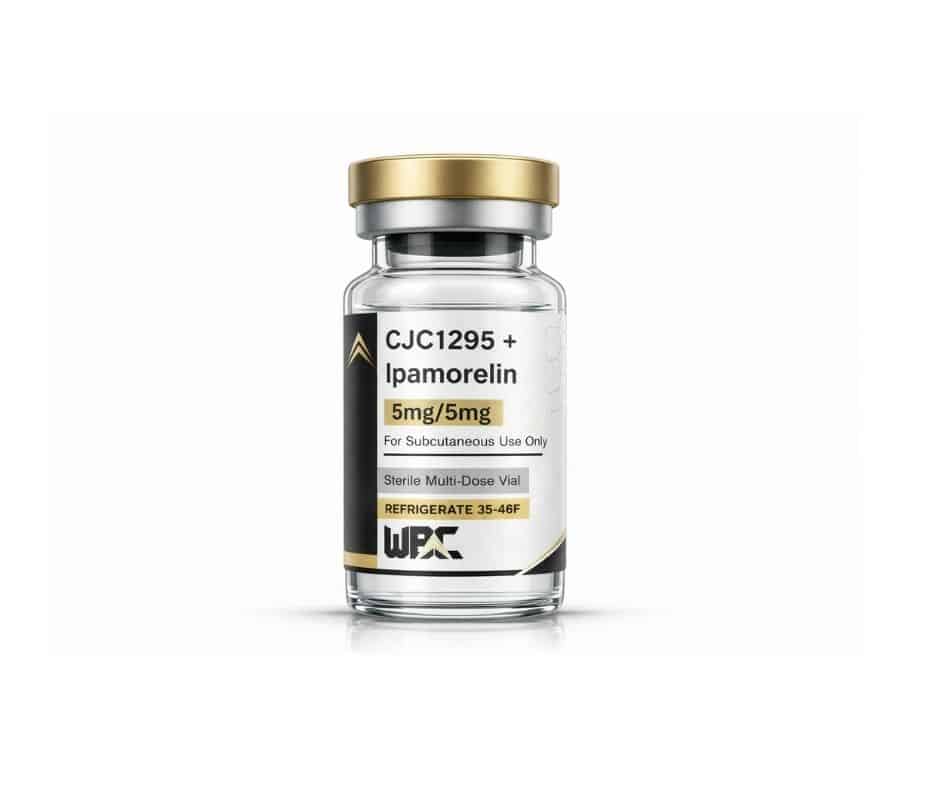
CJC1295 + Ipamorelin
CJC-1295 and Ipamorelin are complementary peptides commonly paired to naturally stimulate the body’s own growth hormone (GH) production. Rather than replacing GH, this combination encourages the pituitary gland to release GH in healthy, physiologic pulses, supporting overall wellness, recovery, and longevity.
What Is CJC-1295 + Ipamorelin?
CJC-1295 is a growth hormone–releasing hormone (GHRH) analog that increases the amplitude of GH release, while Ipamorelin is a growth hormone secretagogue that increases the frequency of GH pulses. Together, they create a synergistic effect that closely mimics the body’s natural growth hormone rhythm.
Primary Benefits
• Supports increased natural growth hormone production
• Enhances fat loss and supports lean muscle development
• Improves recovery, tissue repair, and injury healing
• Promotes deeper, more restorative sleep
• Increases energy, stamina, and overall vitality
• Supports healthier skin, hair, and connective tissue
• May improve cognitive clarity and mood
• Anti-aging and longevity support
How the Combination Works
CJC-1295 increases the signal for growth hormone release, while Ipamorelin triggers the pituitary gland to respond more frequently. This dual mechanism leads to higher-quality GH pulses without overstimulation. Ipamorelin is highly selective, meaning it avoids unwanted cortisol or prolactin elevation, making the combination well tolerated for most individuals.
Safety and Tolerability
CJC-1295 + Ipamorelin is generally well tolerated and considered safer than direct growth hormone therapy. Because the body regulates how much GH is released, the risk of excessive hormone levels is minimized. Side effects are typically mild and may include temporary water retention, flushing, or injection-site irritation.
Who Benefits Most
This peptide combination is commonly used by adults seeking improved recovery, body composition, energy, and sleep. It is especially beneficial for individuals experiencing symptoms of age-related growth hormone decline, such as fatigue, poor sleep, increased body fat, or slower recovery.
Conclusion
CJC-1295 + Ipamorelin offers a powerful yet natural approach to optimizing growth hormone levels. By stimulating the body’s own GH production, this combination supports healthier aging, improved recovery, better sleep, and enhanced overall well-being, making it a cornerstone of modern peptide therapy.
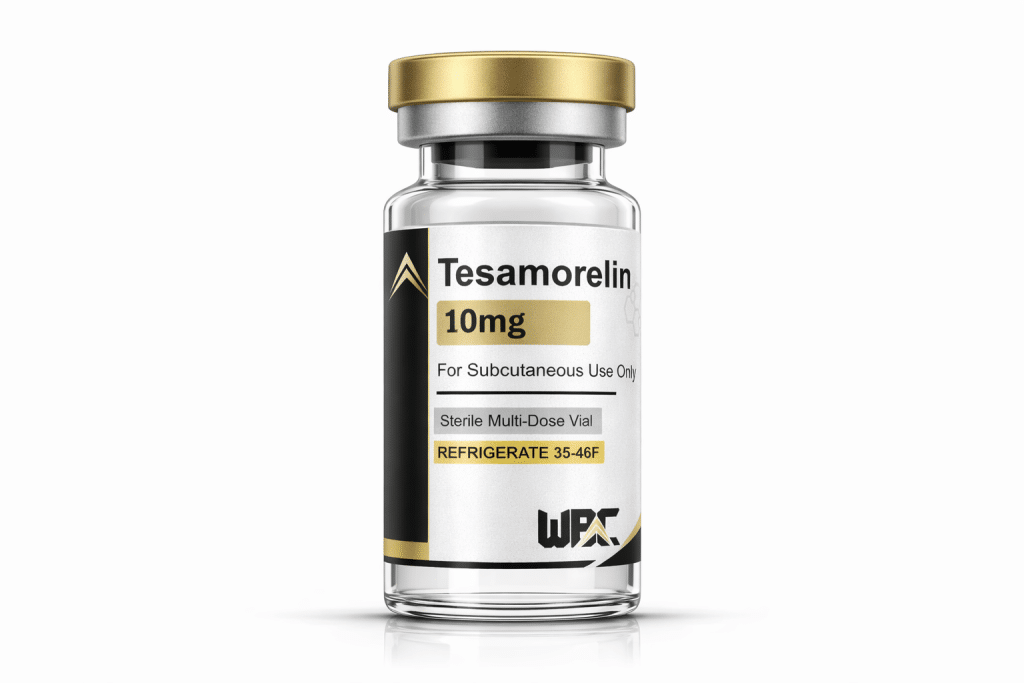
Tesamorelin
Tesamorelin is a Growth Hormone Releasing Hormone (GHRH) analog, meaning it works by stimulating your pituitary gland to naturally release Growth Hormone (GH).
It does not give your body synthetic GH — instead, it encourages your body to produce its own GH in a controlled, physiologic way.
Its primary FDA approval is for reducing visceral abdominal fat in HIV-associated lipodystrophy, but the mechanism of action—enhancing GH and IGF-1 signaling—makes it useful in metabolic and body composition optimization under medical supervision.
How It Works
• Binds to GHRH receptors in the pituitary
• Triggers pulsatile GH release (which is how your body naturally works)
• Increases IGF-1, which drives fat mobilization, tissue repair, and recovery
• Helps shift the body away from visceral fat storage and toward lean tissue metabolism
This makes Tesamorelin one of the least “bloating” peptides and one of the most targeted for midsection / visceral fat reduction.
Key Benefits (Clinically Observed)
Benefit | Why It Matters |
Reduces Visceral Abdominal Fat | Improves metabolic health & body comp, especially around the midsection |
Supports Recovery & Repair | GH → IGF-1 supports tissue regeneration & muscle recovery |
Improves Sleep Quality | GH pulses occur overnight → deeper sleep cycles |
Preserves Lean Muscle | Helps maintain muscle while mobilizing fat stores |
May Improve Liver Fat / Metabolic Markers | Related to visceral fat reduction |
Important: It is not a “weight-loss drug.” It changes where the body stores fat and how efficiently it repairs.
Who It’s Most Useful For
• Carry stubborn midsection / visceral fat
• Want to improve body composition without stimulants
• Prioritize recovery, sleep, and long-term healthspan
• Are already training or willing to adopt a balanced nutrition plan
Ideal for high-performers, aging athletes, and men with declining GH/IGF-1 levels.
What to Expect
Timeframe | What Happens |
Weeks 1–3 | Deeper sleep, better recovery, appetite stabilization |
Weeks 4–8 | Noticeable reduction in midsection tightness / “bloating fat” |
Weeks 8–12+ | Visible changes in waistline, improved leanness, better training output |
Progress is steady and metabolic, not dramatic overnight.
How It’s Typically Used
• Daily subcutaneous injection (evening or pre-bed is common)
Works best when paired with:
– Consistent sleep schedule
– Protein-forward nutrition
– Strength training 3–5x/week
Alcohol, poor sleep, and high nightly carbohydrate intake will blunt results.
Safety & Monitoring
• Tesamorelin is generally well tolerated, but:
– It raises IGF-1, so periodic lab monitoring is standard
– Individuals with a history of cancer, especially hormone-sensitive cancer, are not candidates
– Those with uncontrolled diabetes or active pituitary disorders require caution
• This is a regulated peptide with real physiologic effects — clinical oversight is required.
Bottom Line
Tesamorelin is a high-precision metabolic peptide that:
• Targets visceral fat reduction
• Enhances recovery, sleep, and lean mass preservation
• Works with your physiology, not against it
It is one of the most reliable, clinically-supported options for improving body composition and metabolic health in a safe, sustainable way when paired with the right lifestyle foundation.
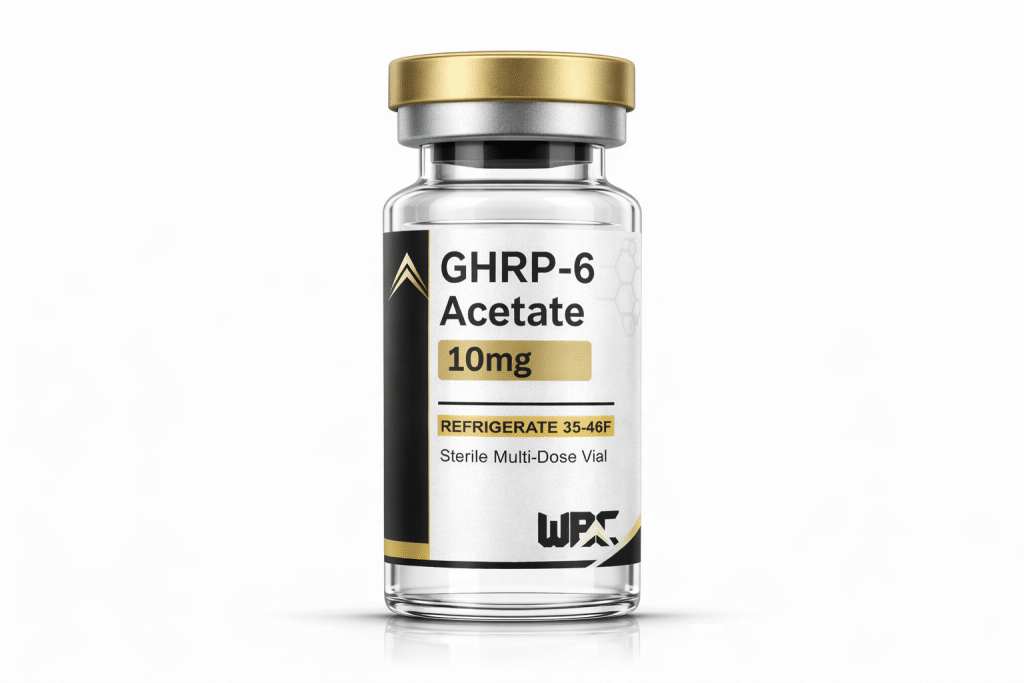
GHRP-6
GHRP-6 (Growth Hormone Releasing Peptide-6) is a synthetic hexapeptide that strongly stimulates the release of growth hormone (GH) by acting
on the ghrelin receptor (GHS-R1a). It increases endogenous GH levels, supports recovery, enhances appetite, and may assist with lean mass
development and fat metabolism.
GHRP-6 Acetate is rapidly absorbed and commonly used in anti-aging, athletic recovery, and wellness protocols.
Key Benefits
• Stimulates natural growth hormone release
• Enhances muscle recovery and repair
• Supports lean muscle development
• Assists in fat metabolism
• Boosts collagen production and joint healing
• Strong appetite stimulant (notable for those needing weight gain)
How It Works
GHRP-6 binds to ghrelin receptors in the pituitary and hypothalamus, causing a significant pulse of growth hormone.
Growth hormone increases IGF-1 production, promoting tissue repair, fat utilization, and recovery.
GHRP-6 is known for strong appetite stimulation—useful for bulking phases or individuals with low appetite.
Administration Methods
• Subcutaneous Injection – most common and easy to perform
• Best taken on an empty stomach for maximum GH release
It is often combined with a GHRH (e.g., CJC-1295 without DAC) for synergistic GH release.
Dosing Recommendations (Informational Only)
GHRP-6 Acetate Standard Dose:
• 100–300 mcg per injection
• Best taken 1–3× daily depending on goals
• Avoid carbs/fats for 30 minutes post-injection to maximize GH pulse
Common Protocols:
1. Anti-Aging / Wellness:
• 100 mcg before bed
2. Recovery / Fat Loss:
• 100–200 mcg morning + bedtime
3. Muscle Gain / Appetite Increase:
• 200–300 mcg 2–3× daily, especially pre-meal
Cycle Duration:
• 8–12 weeks followed by a 2–4 week break
Notes:
• Works best on an empty stomach
• Appetite stimulation can be strong—dose timing matters
• Combining with CJC-1295 (no DAC) enhances GH output
Who Benefits Most
• Adults looking to increase natural growth hormone levels
• Individuals wanting improved recovery or joint healing
• Athletes in muscle-building phases
• People with low appetite or difficulty gaining weight
• Those seeking anti-aging or fat-loss support
Health and Well-Being:
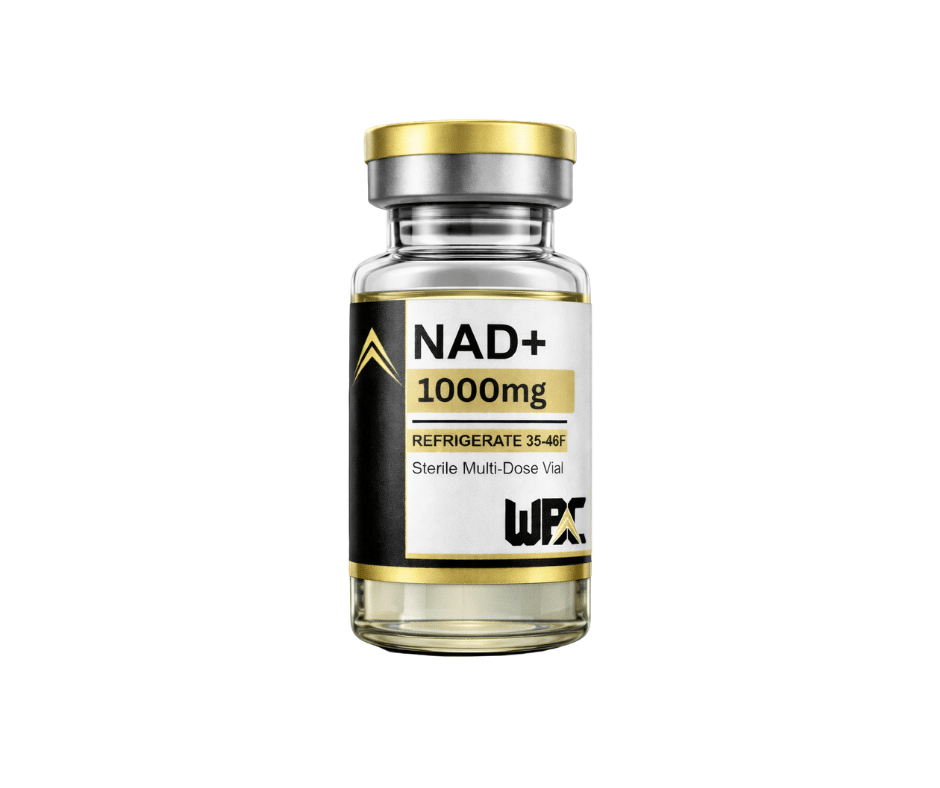
NAD+ (Nicotinamide Adenine Dinucleotide)
NAD+ (Nicotinamide Adenine Dinucleotide) is a coenzyme found in every cell in the body and is essential for energy production, DNA repair, and cellular health. As we age, NAD+ levels decline, which contributes to aging and disease. Supplementation or NAD+ IV therapy is often used to counteract this decline.
Top Benefits of NAD+
Here’s a breakdown of the key benefits supported by research and clinical observations:
Brain Function & Mental Clarity
- Enhances cognitive performance, memory, and focus
- May reduce symptoms of brain fog and mental fatigue
- Supports neuroprotection and may delay neurodegenerative diseases (e.g., Alzheimer’s)
Energy & Physical Performance
- Boosts mitochondrial function (cellular energy production)
- Increases stamina and endurance
- Reduces overall fatigue and supports muscle recovery
Anti-Aging & Longevity
- Activates sirtuins, enzymes linked to extended lifespan and improved metabolic health
- Promotes DNA repair
- Reduces oxidative stress and inflammation
- Helps preserve telomere length, a marker of biological aging
Cellular Repair & Detox
- Aids in repairing damaged DNA
- Supports liver function and detoxification
- Enhances autophagy (clearing damaged cells)
Metabolic Support
- Improves insulin sensitivity
- Helps regulate cholesterol and blood sugar
- Supports weight loss by improving mitochondrial efficiency
Mood & Mental Health
- May reduce symptoms of anxiety and depression
- Supports neurotransmitter balance (dopamine, serotonin)
- Improves sleep and stress resilience
Addiction Recovery Support (NAD+ IV Therapy)
- Helps reduce cravings and withdrawal symptoms for opioids, alcohol, and stimulants
- Supports neurological reset and healing during recovery
Summary Table
Benefit Area | Impact |
Brain Health | Focus, memory, mental clarity |
Energy Production | Improved stamina and reduced fatigue |
Anti-Aging | Sirtuin activation, DNA repair |
Metabolism | Better glucose control, fat metabolism |
Detox & Recovery | Liver function, cellular repair |
Mood & Sleep | Enhanced neurotransmitter balance |
Addiction Support | Craving reduction, nervous system reset |
Typical clinical range:
50–200 mg Sub-Q daily
or
100–300 mg Sub-Q 2–3x per week
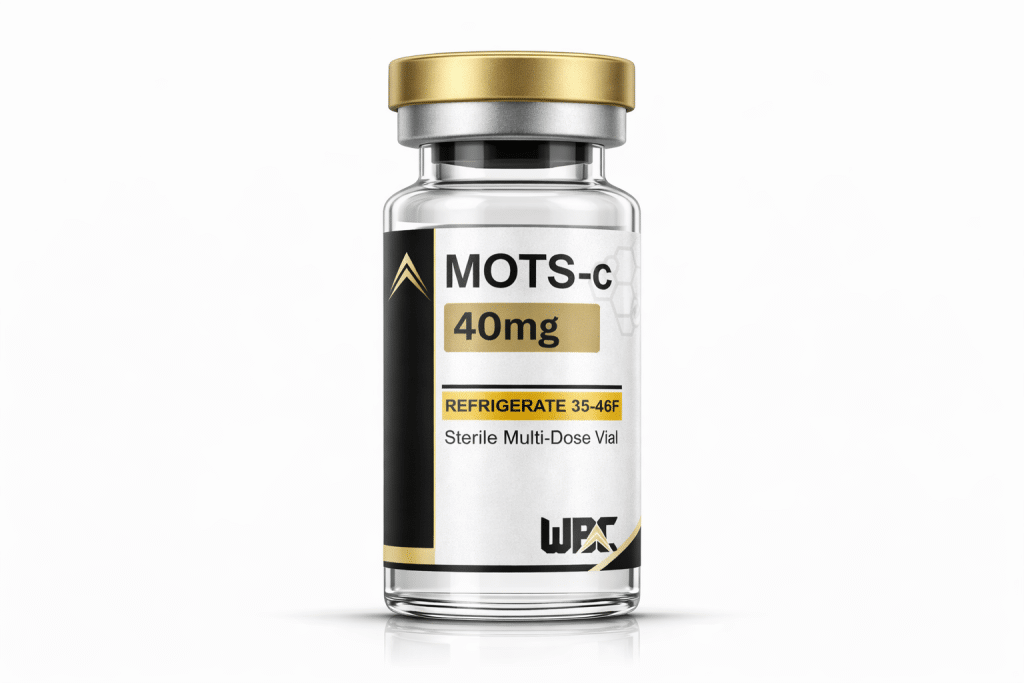
MOTS-c
MOTS-c activates AMPK (AMP-activated protein kinase), the body’s master regulator of energy balance. This activation promotes fat oxidation, stabilizes blood sugar, improves cellular energy output, and enhances exercise adaptation. MOTS-c also influences nuclear gene expression to support overall metabolic health.
MOTS-c Overview:
• Enhances mitochondrial efficiency and energy production
• Improves glucose metabolism and insulin sensitivity
• Supports fat loss and metabolic health
• Increases endurance and exercise performance
• Reduces inflammation and oxidative stress
• Assists in cellular stress resilience and recovery
• Activates AMPK, a key longevity and metabolic pathway
Recommended Dosing of MOTS-c:
1. Standard Clinical Protocol (Most Common)
• 10 mg per injection
• Subcutaneous administration
• 2–3 times per week
• Duration: 4–6 weeks
2. Performance / Weight Loss Protocol
• 10–15 mg per injection
• Subcutaneous administration
• 3 times per week
• Duration: 4–8 weeks depending on goals
3. Anti-Aging / Mitochondrial Optimization Protocol
• 5–10 mg per injection
• Subcutaneous
• 1–2 times per week
• Cyclical schedule: 8 weeks on, 4 weeks off
Timing:
• Best taken 30–60 minutes before exercise for energy and metabolic enhancement.
• If not exercising, morning dosing is preferred for natural circadian alignment.
Side Effects and Safety:
MOTS-c is well tolerated, with minimal reported side effects. Possible mild effects include:
• Temporary site redness or irritation
• Warmth or slight lightheadedness post-injection
• Increased hunger from metabolic activation
Contraindications:
• Pregnant or breastfeeding individuals
• Patients with active cancer unless monitored by an oncology specialist
Summary:
MOTS-c is a powerful mitochondrial peptide used for improving metabolic health, boosting energy, enhancing weight loss, supporting athletic performance, and promoting longevity. Standard dosing is 10–15 mg administered subcutaneously 2–3 times per week for 4–6 weeks, depending on the intended goals.
Consultation with a licensed healthcare provider is recommended for customized dosing and monitoring.
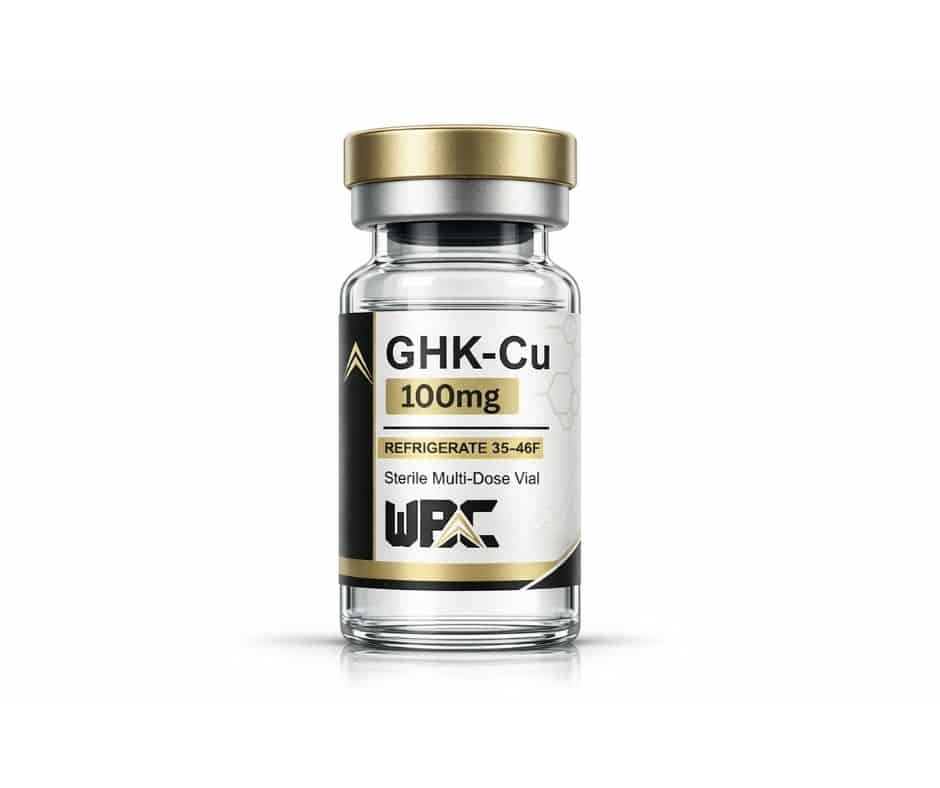
GHK-Cu (Copper Tripeptide-1)
GHK-Cu (Copper Tripeptide-1) is a naturally occurring regenerative peptide found in the human body that plays a central role in healing, collagen production, anti-inflammation, and cellular rejuvenation. It is one of the most studied cosmetic peptides and is considered one of the safest and most effective tools in anti-aging and tissue repair.
Originally discovered in plasma, GHK-Cu has become a cornerstone ingredient in medical-grade skincare, hair restoration therapies, and aesthetic recovery protocols.
What GHK-Cu Does
GHK-Cu is often referred to as the body’s “youth signaling peptide.” It binds with copper ions and triggers a cascade of repair mechanisms:
1. Stimulates Collagen & Elastin
– Boosts collagen types I, III, and IV
– Improves skin firmness, elasticity, and thickness
– Reduces wrinkles and fine lines
2. Accelerates Tissue Repair
– Speeds healing after microneedling, laser, RF, or chemical peels
– Reduces inflammation and oxidative stress
– Enhances skin remodeling and scar improvement
3. Powerful Anti-Inflammatory & Antioxidant
– Neutralizes free radicals
– Reduces redness, irritation, and swelling
– Supports DNA repair and cellular protection
4. Hair Growth
– Enlarges hair follicles
– Extends the growth phase
– Improves scalp health
– Helps reverse thinning related to aging, stress, or hormones
Why It’s Popular in Medical Aesthetics
GHK-Cu is one of the few peptides that has proven benefits in both cosmetic rejuvenation and tissue healing. Clinics use it because:
– It is safe, non-hormonal, and non-systemic.
– It works synergistically with aesthetic treatments.
– It enhances post-procedure outcomes and reduces downtime.
– Patients consistently see improvements in skin tone, texture, and clarity.
Who Benefits Most
GHK-Cu is ideal for patients looking to improve:
– Fine lines & wrinkles
– Skin laxity
– Uneven tone or texture
– Sun damage
– Acne scarring
– Skin dullness
– Thinning hair or shedding
– Post-procedure recovery
Safety Profile
GHK-Cu is extremely safe:
– Non-toxic
– Non-hormonal
– Minimal side effects (mild redness, temporary tingling)
In One Sentence
GHK-Cu is the industry’s gold-standard regenerative peptide for skin repair, collagen stimulation, anti-aging, and hair restoration—powerful, safe, and clinically proven to rejuvenate tissue at the cellular level.
Dosage Recommendation: 50mg / 100mg / 3ml
- 1-3mg per day as tolerated.
- Use 6-8 weeks with a 2 week break
- Price 50mg vial = $150, 10mg vial = $225
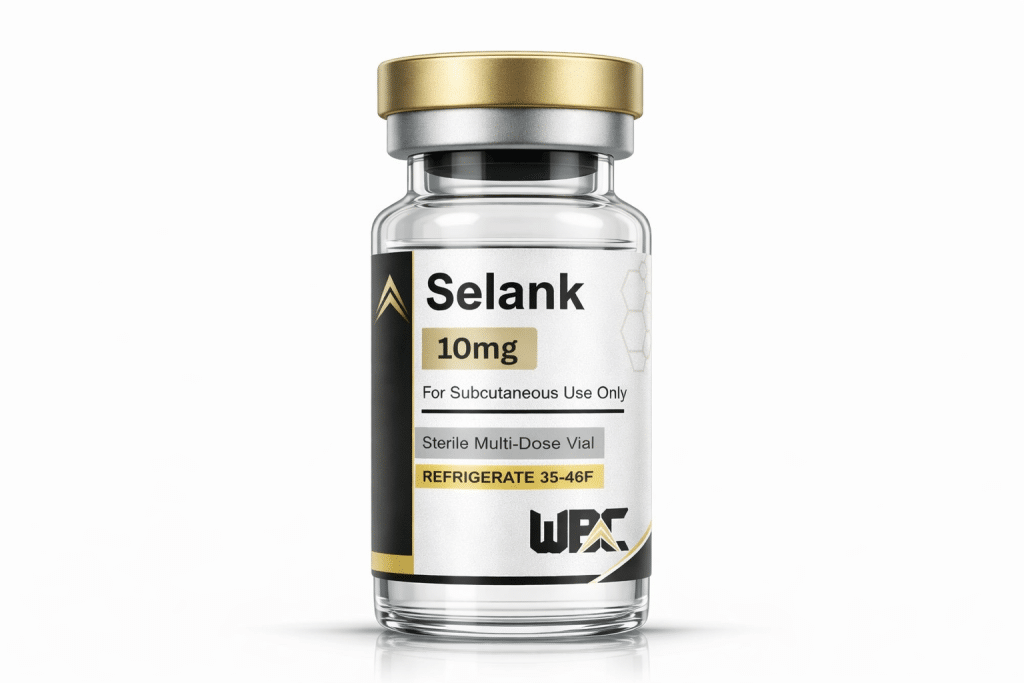
Selank
Selank is a synthetic peptide based on a naturally occurring immune-regulating peptide. It’s best known for its calming, anti-anxiety effects without sedation. It’s commonly used for anxiety, cognitive support, and stress management—without the dependency risk seen with traditional meds.
Selank and Semax complement one another, creating a balanced cognitive state characterized by calm focus, improved mood, and enhanced mental performance.
What is Selank?
Selank is a synthetic peptide nootropic derived from the natural immune peptide tuftsin. It supports focus, mental clarity, stress reduction, and balanced mood. Selank is especially valued for providing calm, centered cognitive function without sedation or impairment.
Primary Benefits
- Improved focus and concentration
- Reduced anxiety and stress sensitivity
- Enhanced mental clarity and processing speed
- Improved memory and recall
- Calm, centered cognitive performance
- Non-sedating anti-anxiety effects
- Synergistic with Semax for enhanced cognitive support
How Selank Works
Selank modulates GABA and serotonin, increases BDNF, and stabilizes neurotransmitters involved in attention, mood regulation, and cognitive processing. It is particularly effective when stress or anxiety disrupts mental performance.
What is Semax?
Semax is a synthetic peptide derived from ACTH(4-10). It provides cognitive enhancement, neuroprotection, stress resilience, and improved productivity. Semax produces rapid increases in focus and mental stamina, making it ideal for high-performance individuals or those experiencing cognitive fatigue.
Primary Benefits
- Enhanced focus and concentration
- Increased mental stamina and productivity
- Improved memory and learning
- Reduced mental fatigue
- Dopamine modulation → improved motivation and drive
- BDNF increase → brain repair and neuroplasticity
- Neuroprotection during stress or cognitive overload
How Semax Works
Semax increases dopamine, enhances cerebral blood flow, and elevates BDNF. It provides stimulant-like focus without jitteriness, crash, or dependency.
Selank + Semax Combination Overview
Why They Work Well Together
Selank and Semax complement one another, creating a balanced cognitive state characterized by calm focus, improved mood, and enhanced mental performance.
Combined Effects
- Improved Focus & Productivity
- Semax increases sharpness and processing speed.
- Selank reduces stress and distractions.
- Performance Boost Without Anxiety
- Semax improves motivation and drive.
- Selank stabilizes the nervous system and prevents overstimulation.
- Dopamine + GABA Synergy
- Semax → dopamine & BDNF boost
- Selank → GABA & serotonin modulation
- Result → smooth, controlled, high-level cognitive function
- Enhanced Memory & Learning
Both peptides support neuroplasticity and memory retention. - Supports Stress-Driven Cognitive Fatigue
Ideal for burnout, brain fog, mental overload, or high workloads. - Creates a “Flow State”
Patients often describe feeling calm, clear, and highly focused.
Mechanism Synergy
- Semax: boosts dopamine, increases BDNF, enhances brain performance
- Selank: modulates GABA/serotonin, reduces anxiety, stabilizes mood
Together, they support all major cognitive pathways without sedative or stimulant effects.
Ideal Candidates
- High-performance professionals
- Executives & entrepreneurs
- Athletes needing mental sharpness & emotional control
- Students with heavy workloads
- Individuals sensitive to stimulants
- Patients with stress-related focus issues
Subcutaneous Dosage Recommendations (Used Together)
Balanced Daily Performance
- Semax: 250–500 mcg AM
- Selank: 250–500 mcg AM or midday
- Cycle: 10–20 days on, 5–7 days off
High-Demand Workload Days
- Semax: 500 mcg AM + 500 mcg midday
- Selank: 500 mcg AM or early afternoon
Stress-Dominant Patients
- Selank: 500 mcg AM
- Semax: 250 mcg midday
Safety Notes
- Avoid dosing after 4 PM to protect sleep.
- Cycle peptides to maintain receptor sensitivity.
- No crash, dependency, or withdrawal risk.
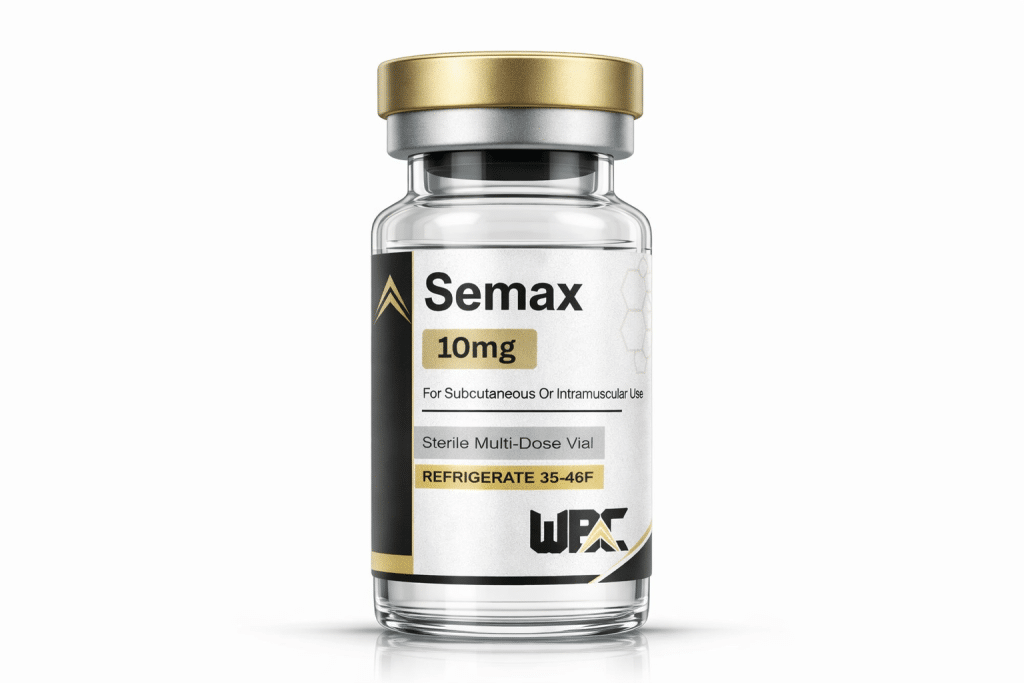
Semax
Semax is a synthetic neuropeptide derived from ACTH, primarily used for cognitive and neurological support. Often described as a “nootropic peptide,” Semax boosts cognition and mental performance without stimulant effects.
Selank and Semax complement one another, creating a balanced cognitive state characterized by calm focus, improved mood, and enhanced mental performance.
What is Selank?
Selank is a synthetic peptide nootropic derived from the natural immune peptide tuftsin. It supports focus, mental clarity, stress reduction, and balanced mood. Selank is especially valued for providing calm, centered cognitive function without sedation or impairment.
Primary Benefits
- Improved focus and concentration
- Reduced anxiety and stress sensitivity
- Enhanced mental clarity and processing speed
- Improved memory and recall
- Calm, centered cognitive performance
- Non-sedating anti-anxiety effects
- Synergistic with Semax for enhanced cognitive support
How Selank Works
Selank modulates GABA and serotonin, increases BDNF, and stabilizes neurotransmitters involved in attention, mood regulation, and cognitive processing. It is particularly effective when stress or anxiety disrupts mental performance.
What is Semax?
Semax is a synthetic peptide derived from ACTH(4-10). It provides cognitive enhancement, neuroprotection, stress resilience, and improved productivity. Semax produces rapid increases in focus and mental stamina, making it ideal for high-performance individuals or those experiencing cognitive fatigue.
Primary Benefits
- Enhanced focus and concentration
- Increased mental stamina and productivity
- Improved memory and learning
- Reduced mental fatigue
- Dopamine modulation → improved motivation and drive
- BDNF increase → brain repair and neuroplasticity
- Neuroprotection during stress or cognitive overload
How Semax Works
Semax increases dopamine, enhances cerebral blood flow, and elevates BDNF. It provides stimulant-like focus without jitteriness, crash, or dependency.
Selank + Semax Combination Overview
Why They Work Well Together
Selank and Semax complement one another, creating a balanced cognitive state characterized by calm focus, improved mood, and enhanced mental performance.
Combined Effects
- Improved Focus & Productivity
- Semax increases sharpness and processing speed.
- Selank reduces stress and distractions.
- Performance Boost Without Anxiety
- Semax improves motivation and drive.
- Selank stabilizes the nervous system and prevents overstimulation.
- Dopamine + GABA Synergy
- Semax → dopamine & BDNF boost
- Selank → GABA & serotonin modulation
- Result → smooth, controlled, high-level cognitive function
- Enhanced Memory & Learning
Both peptides support neuroplasticity and memory retention. - Supports Stress-Driven Cognitive Fatigue
Ideal for burnout, brain fog, mental overload, or high workloads. - Creates a “Flow State”
Patients often describe feeling calm, clear, and highly focused.
Mechanism Synergy
- Semax: boosts dopamine, increases BDNF, enhances brain performance
- Selank: modulates GABA/serotonin, reduces anxiety, stabilizes mood
Together, they support all major cognitive pathways without sedative or stimulant effects.
Ideal Candidates
- High-performance professionals
- Executives & entrepreneurs
- Athletes needing mental sharpness & emotional control
- Students with heavy workloads
- Individuals sensitive to stimulants
- Patients with stress-related focus issues
Subcutaneous Dosage Recommendations (Used Together)
Balanced Daily Performance
- Semax: 250–500 mcg AM
- Selank: 250–500 mcg AM or midday
- Cycle: 10–20 days on, 5–7 days off
High-Demand Workload Days
- Semax: 500 mcg AM + 500 mcg midday
- Selank: 500 mcg AM or early afternoon
Stress-Dominant Patients
- Selank: 500 mcg AM
- Semax: 250 mcg midday
Safety Notes
- Avoid dosing after 4 PM to protect sleep.
- Cycle peptides to maintain receptor sensitivity.
- No crash, dependency, or withdrawal risk.
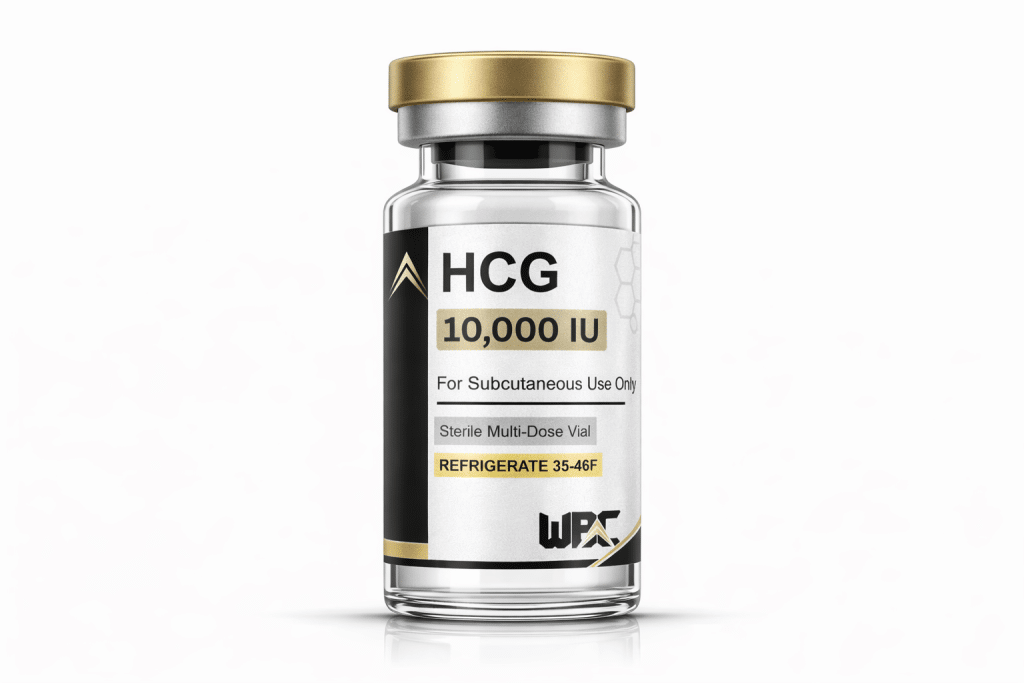
HCG (Human Chorionic Gonadotropin)
Human Chorionic Gonadotropin (HCG) is a naturally occurring hormone that plays an important role in hormonal balance, reproductive health, and metabolic support. In clinical and wellness settings, HCG is commonly used to support hormone optimization, preserve natural hormone function, and enhance overall well-being in both men and women.
What Is HCG?
HCG is a hormone naturally produced in the body and structurally similar to luteinizing hormone (LH). When used therapeutically, HCG signals the body to maintain or stimulate natural hormone production rather than shutting it down. This makes it a valuable tool in hormone-support and fertility-related therapies.
Primary Benefits
• Supports natural testosterone production in men
• Helps preserve testicular function and fertility
• Prevents testicular atrophy when used alongside testosterone therapy
• Supports hormonal balance and ovarian function in women
• May aid in fat metabolism when used as part of a structured program
• Supports mood, energy, and overall sense of well-being
• Can assist with fertility treatments in both men and women
How HCG Works
HCG mimics the action of luteinizing hormone (LH), signaling the testes in men to produce testosterone and supporting ovulation and progesterone production in women. By stimulating endogenous hormone production, HCG helps maintain the body’s natural hormonal signaling pathways.
Safety and Tolerability
HCG has been used clinically for decades and is well studied. When properly dosed and medically supervised, it is generally well tolerated. Side effects are typically mild and dose-dependent. Ongoing monitoring ensures safe and effective use as part of a comprehensive hormone program.
Who Benefits Most
HCG is commonly used by men on testosterone replacement therapy who wish to preserve fertility or testicular size, as well as individuals undergoing fertility treatments. It may also benefit patients seeking hormonal balance, metabolic support, or enhanced reproductive health.
Conclusion
HCG is a versatile and well-established hormone therapy that supports natural hormone production, reproductive health, and overall hormonal balance. When used appropriately under medical guidance, HCG can be a powerful adjunct to hormone optimization and wellness programs.
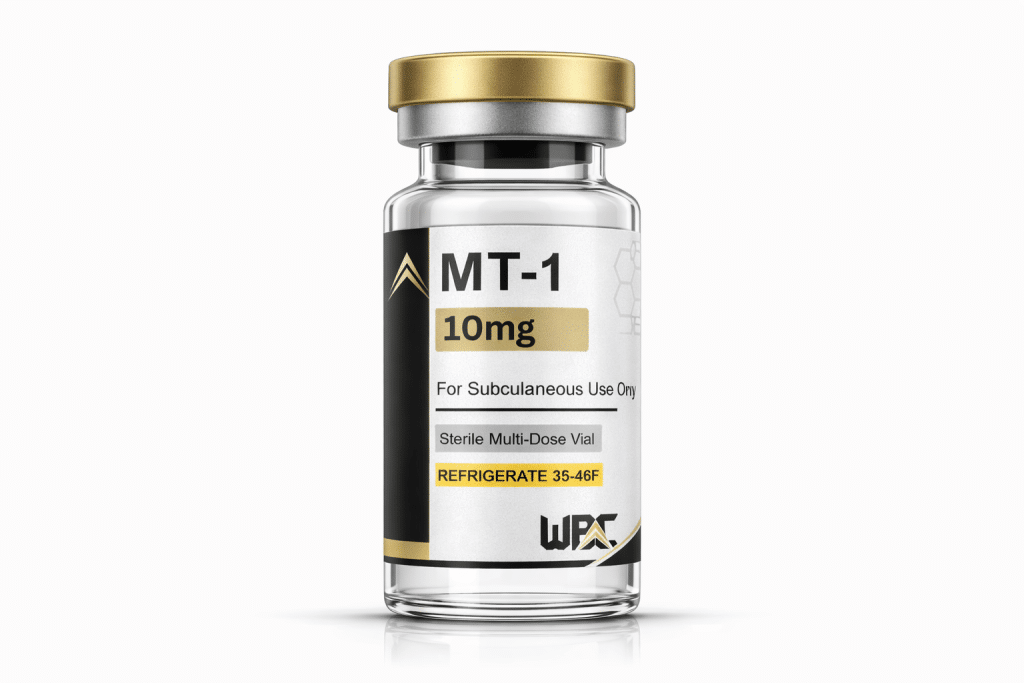
MT-1 (Melanotan 1) and MT-2 (Melanotan 2)
Melanotan I (MT-I) and Melanotan II (MT-II) are synthetic peptides designed to increase melanin production.
MT-I offers a safer, slower, and more predictable tanning effect, while MT-II provides a stronger, faster, and deeper tan but with more side effects.
Comparison Summary
• Melanotan I = Safer, steadier, gradual tanning
• Melanotan II = Stronger, faster, deeper pigmentation with increased side effects
Mechanism of Action
Melanotan I:
• Primarily stimulates MC1 receptors → promotes melanin production
• Produces gradual and natural pigmentation
Melanotan II:
• Stimulates MC1, MC3, and MC4 receptors → melanin + appetite reduction + libido effects
• Creates a more intense tanning response
Tanning Effectiveness
Melanotan I:
• Moderate tan
• Slower onset (7–14 days)
• Works with small UV exposure
Melanotan II:
• Very strong pigmentation
• Fast onset (3–5 days)
• Deep tan even with little UV exposure
Side Effect Profile
Melanotan I:
• Mild nausea
• Occasional flushing
• Minimal mole darkening
Melanotan II:
• Moderate nausea
• Libido/arousal effects
• Facial flushing
• Darkening of freckles and moles
Dosing Recommendations
Melanotan I (MT-I):
• Loading Phase: 0.25 mg daily → increase to 0.5–1 mg daily
• Duration: 10–14 days
• Maintenance: 1 mg, 2–3× weekly
Melanotan II (MT-II):
• Loading Phase: Start at 0.25 mg
Slowly increase to 0.5–1 mg/day
• Maintenance: 0.25–0.5 mg, 1–2× weekly
• More potent—monitor pigmentation changes
Safety Considerations
• Neither peptide is FDA-approved
• Obtain only from reputable compounding pharmacies
• Discontinue if rapid mole changes occur
• Avoid with history of melanoma or atypical moles
• Start low and titrate slowly
Best Use Cases
Melanotan I:
• Fair-skinned individuals
• Those seeking protection from burning
• Patients wanting minimal side effects
Melanotan II:
• Individuals wanting deep, dramatic tanning
• Faster results
• Comfortable with libido-related effects
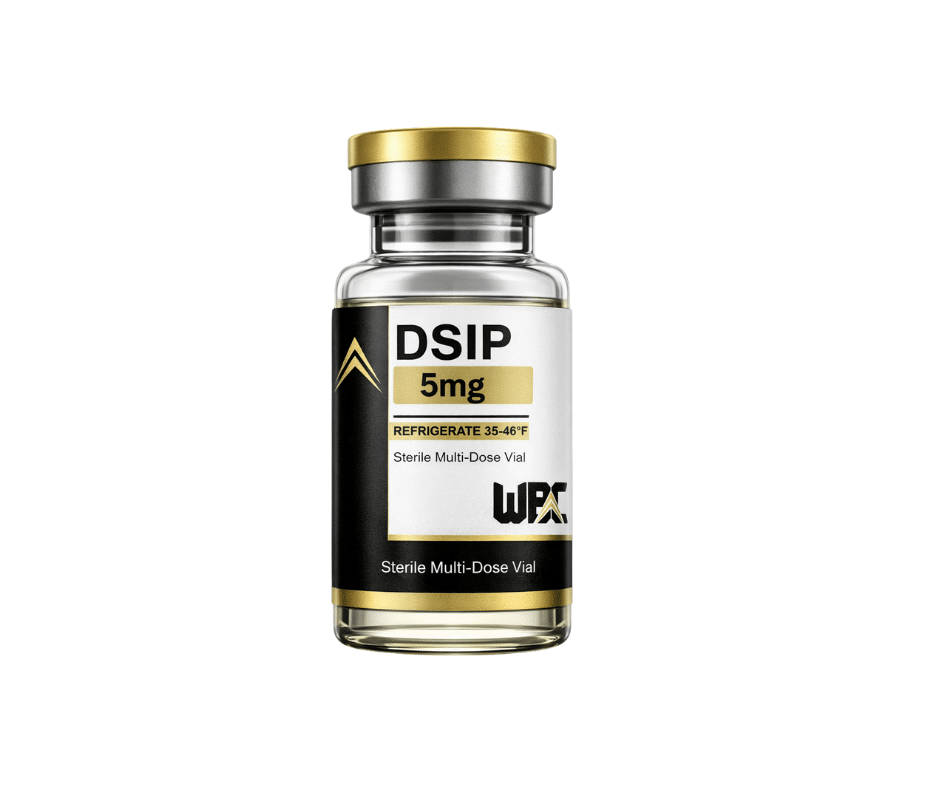
DSIP (Delta Sleep-Inducing Peptide)
Delta Sleep‑Inducing Peptide (DSIP) is a naturally occurring neuropeptide first discovered in 1974.
It has been studied for its role in promoting deep, restorative sleep and regulating circadian rhythms.
DSIP is commonly used in wellness and recovery protocols for individuals experiencing poor sleep quality,
elevated stress levels, and nervous system dysregulation.
Mechanism of Action
DSIP works within the central nervous system and hypothalamus to influence sleep regulation, stress response, and hormonal balance. It appears to modulate the production of cortisol, melatonin, and other key hormones involved in sleep and recovery. Unlike sedatives, DSIP does not “force” sleep but helps normalize the body’s natural sleep architecture.
Primary Benefits
Promotes deeper, more restorative sleep
Improves sleep onset and sleep maintenance
Reduces nighttime awakenings
Helps regulate circadian rhythm
Supports stress reduction and nervous system recovery
May reduce cortisol levels and support adrenal balance
Can assist with recovery from chronic fatigue and burnout
May improve mood stability and mental clarity
Additional Observed Effects
Potential support for migraine and headache reduction
May assist in managing symptoms related to anxiety
Helpful in recovery protocols for overtraining and physical stress
Supports overall hormonal and autonomic nervous system balance
Common Use Cases
Individuals with insomnia or disrupted sleep patterns
High‑stress professionals and athletes
Patients experiencing adrenal fatigue or burnout
Individuals recovering from chronic stress, illness, or overtraining
Administration
DSIP is typically administered via subcutaneous injection in the evening, approximately 30–60 minutes before bedtime. Dosing protocols vary based on individual needs and clinical guidance.
Safety and Tolerability
DSIP is generally well tolerated with minimal side effects. Because it works with the body’s natural sleep pathways, it does not produce dependency or morning grogginess commonly seen with sleep medications. All use should be guided by a qualified medical professional.
Summary
DSIP is considered a valuable peptide for improving sleep quality, reducing stress, and supporting full-body recovery. Its ability to enhance natural sleep cycles without sedation makes it a preferred option in wellness and performance‑based protocols.
Standard DSIP Dosing Range
Start low and titrate up: 100 mcg subcutaneous, 30–60 minutes before bed for 3–4 nights
If sleep depth doesn’t improve → increase to 200 mcg
Most people land in the sweet spot at 200–300 mcg nightly
Common Effective Dose
250 mcg nightly is where many adults report:
Deeper sleep
Fewer wakeups
Better REM quality
Feeling actually rested
Going Higher
Some go to 500 mcg, but:
Doesn’t usually improve sleep further
Can cause vivid dreams, restlessness, or groggy mornings
More is not better with DSIP.
How to Run It
Nightly for 10–14 days
Then either:
Take 3–5 days off, or
Use only on poor sleep nights
DSIP works best in cycles, not year-round nightly use.
Pro Tip (Clinic Observations)
DSIP works even better when paired with:
Magnesium glycinate
Low light exposure before bed
Weight Loss:
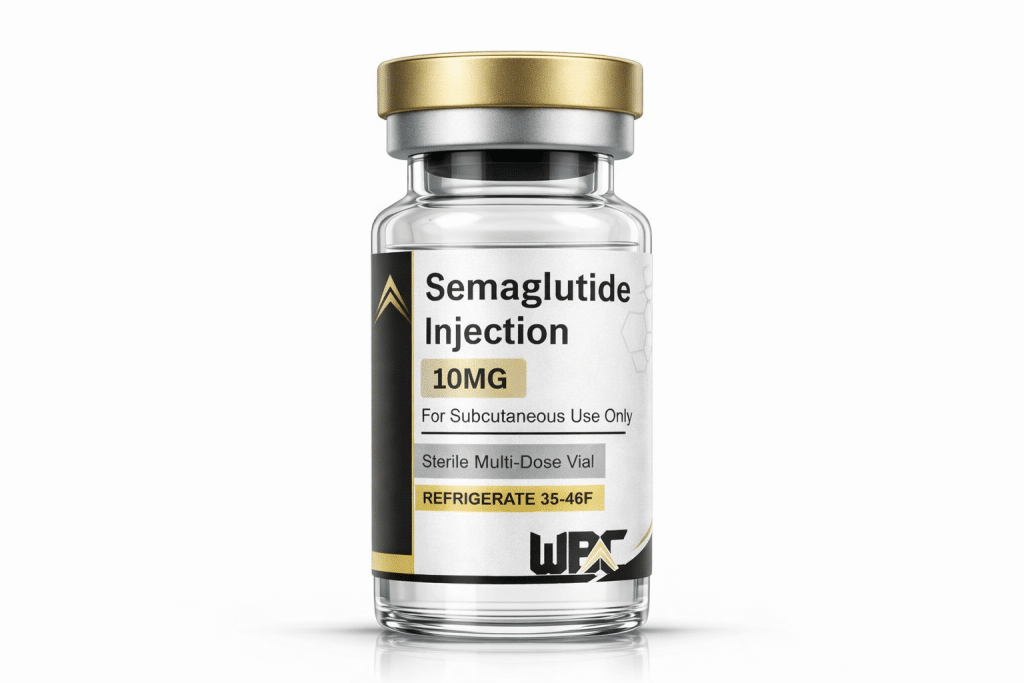
Semaglutide
Semaglutide is a clinically proven GLP1 receptor agonist used to support blood sugar control, weight management, and overall metabolic health. It works by mimicking the body’s natural glucagonlike peptide1 (GLP1) hormone, helping regulate appetite, insulin secretion, and glucose metabolism.
What Is Semaglutide?
Semaglutide is a once weekly injectable (and oral formulation) medication originally developed for the treatment of type 2 diabetes. It has since become widely recognized for its effectiveness in supporting sustainable weight loss and improving cardiometabolic health.
Primary Benefits
• Improves blood sugar control and lowers A1C levels
• Promotes significant, sustainable weight loss
• Reduces appetite and food cravings
• Slows gastric emptying, increasing feelings of fullness
• Improves insulin sensitivity
• Supports cardiovascular health
• Helps reduce inflammation associated with metabolic disease
• Convenient once weekly dosing
How Semaglutide Works
Semaglutide activates GLP1 receptors in the brain, pancreas, and gastrointestinal system. This leads to increased insulin release when blood sugar is elevated, reduced glucagon secretion, slower stomach emptying, and improved appetite regulation. Together, these effects support better glucose control and reduced caloric intake.
Safety and Tolerability
Semaglutide is well studied and generally well tolerated when dosed appropriately. Most side effects are mild to moderate and may include temporary nausea or gastrointestinal discomfort, particularly during dose escalation. Gradual titration helps improve tolerability for most patients.
Who Benefits Most
Semaglutide is ideal for individuals with type 2 diabetes, insulin resistance, obesity, or weight-related metabolic conditions. It is also beneficial for patients who have struggled with traditional weight-loss methods or who are seeking longterm metabolic improvement.
Conclusion
Semaglutide represents a major advancement in metabolic and weight management therapy. By addressing appetite regulation, insulin function, and glucose control at the hormonal level, it provides a powerful, sustainable approach to improving health, body composition, and overall quality of life.
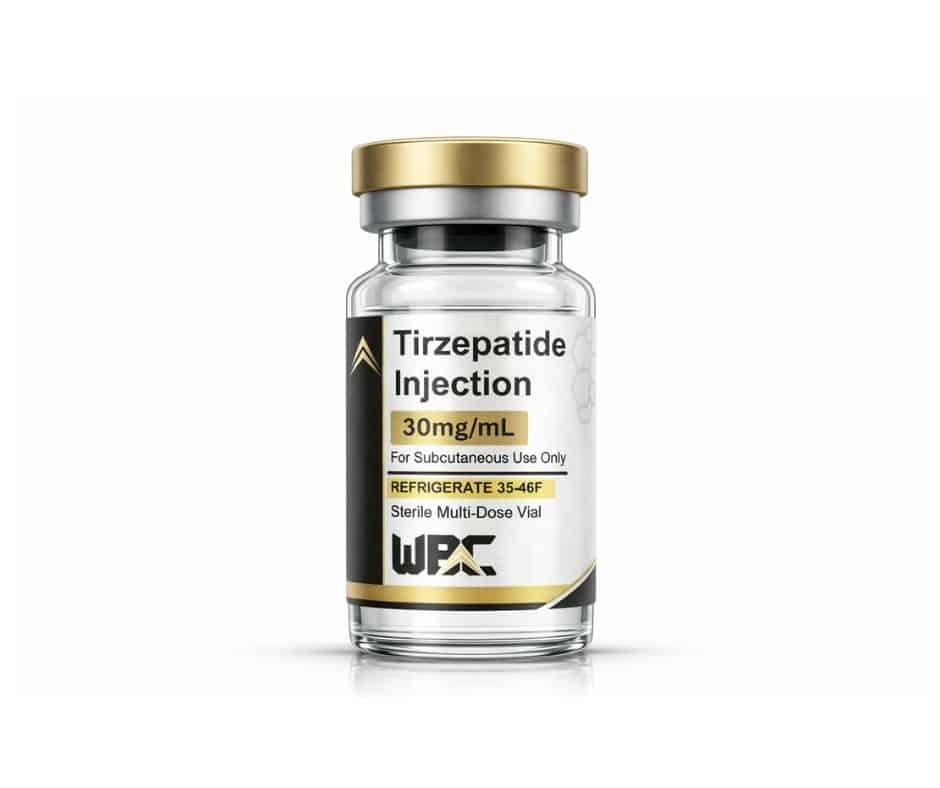
Tirzepatide
Tirzepatide (brand names: Mounjaro for type 2 diabetes, Zepbound for weight loss) is a powerful, FDA-approved injectable medication that acts on both GLP-1 and GIP receptors to improve metabolic health and promote significant fat loss.
Tirzepatide + Cyanocobalamin (Vitamin B6, B12) combines the potent GLP-1/GIP agonist Tirzepatide with B12 for enhanced energy support and reduced side effects often associated with GLP-1 therapy.
1. Substantial Weight Loss
- Up to 22.5% total body weight reduction in clinical trials (average 50–60 lbs).
- FDA-approved as Zepbound for weight loss.
2. Improved Blood Sugar Control
- Lowers A1C levels by up to 2.3%.
- Enhances insulin sensitivity and stabilizes post-meal glucose.
3. Dual Incretin Effect
- GLP-1: Promotes satiety, slows gastric emptying, and enhances insulin stimulation.
- GIP: Improves insulin secretion and metabolic flexibility.
4. Cardiometabolic Improvements
- May reduce cholesterol, triglycerides, blood pressure, and inflammation.
- Ongoing studies show potential cardiovascular benefits.
5. Appetite and Craving Reduction
- Significantly reduces hunger and emotional eating.
- Promotes longer-lasting fullness and better portion control.
Common Side Effects
- Nausea, vomiting, diarrhea, constipation
- Rare: pancreatitis, gallbladder issues, thyroid tumors (in animal studies)
- Not for use in individuals with a history of medullary thyroid carcinoma or MEN 2
Retatrutide
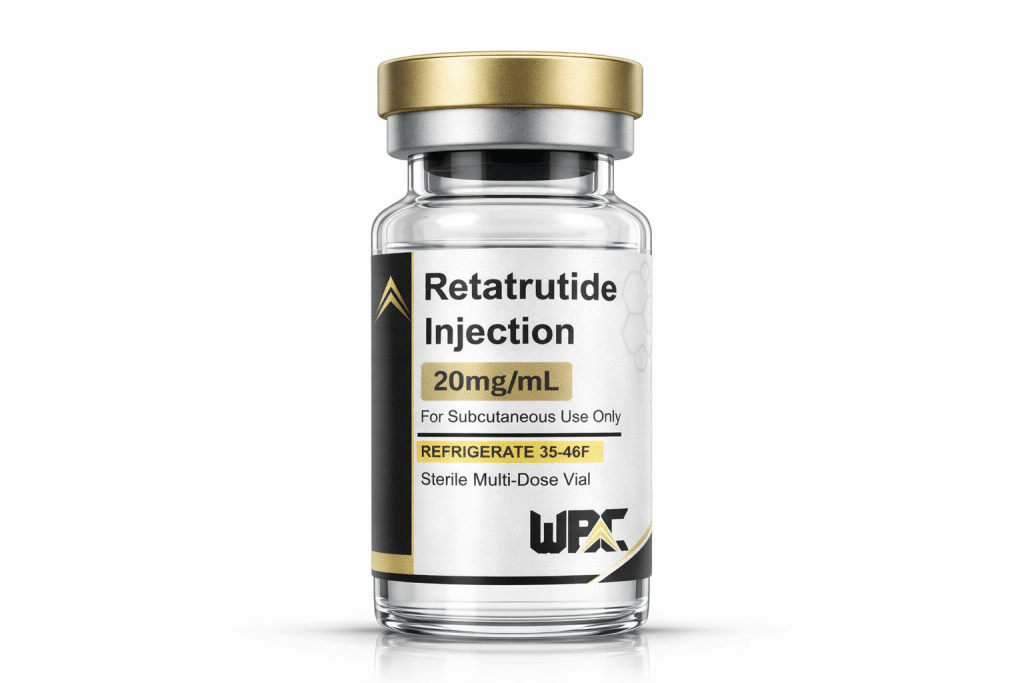
Retatrutide is an investigational multi-receptor agonist developed for the treatment of obesity, metabolic disorders, and related cardiometabolic diseases. Unlike single-pathway incretin medications such as GLP‑1 agonists, Retatrutide activates three key metabolic receptors—GLP‑1, GIP, and glucagon receptors—making it a “triple agonist.” This design aims to create a more potent and comprehensive metabolic effect.
Mechanism of Action
• GLP‑1 Receptor Agonism: Slows gastric emptying, reduces appetite, and improves insulin secretion.
• GIP Receptor Agonism: Enhances insulin response and may reduce side effects like nausea.
• Glucagon Receptor Activation: Increases energy expenditure and promotes fat loss through enhanced metabolic activity.
Clinical Benefits (Based on Phase 2 Trials)
• Significant weight-loss results—up to 24% reductions in body weight over 48 weeks.
• Improved glycemic control in patients with prediabetes or Type 2 diabetes.
• Enhanced metabolic markers including cholesterol, triglycerides, and liver fat.
• Strong potential as one of the most effective metabolic medications studied to date.
Safety & Side Effects
• Common: Nausea, diarrhea, constipation, vomiting—similar to other incretin‑based therapies.
• Dose‑dependent GI effects; most resolve over time.
• Ongoing studies are evaluating long‑term safety related to glucagon receptor activation.
Clinical Status
• Retatrutide is currently in Phase 3 clinical development.
• It is not yet FDA‑approved and is available only in clinical trials.
Summary
Retatrutide represents the next evolution of metabolic medications, offering stronger and potentially faster outcomes than traditional GLP‑1 therapies. With triple‑agonist action, its ability to drive both appetite reduction and increased energy expenditure sets it apart as a leading candidate in obesity pharmacotherapy.
AOD
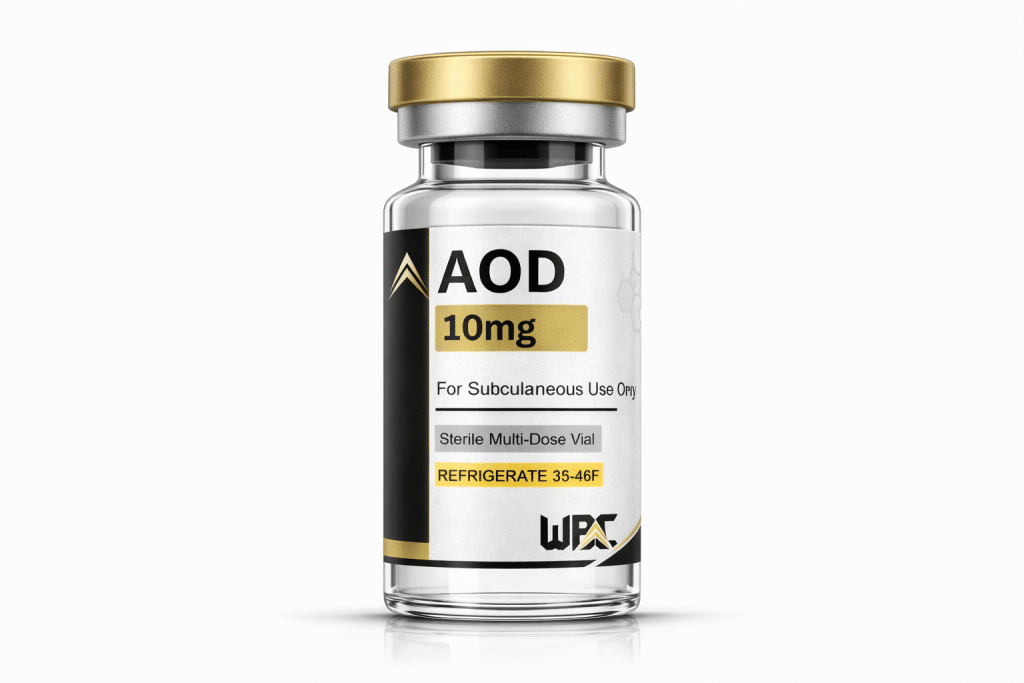
AOD-9604 is a synthetic peptide derived from a fragment of human growth hormone, designed specifically to target fat metabolism without affecting growth hormone levels. It’s commonly used for body composition and metabolic support rather than muscle growth.