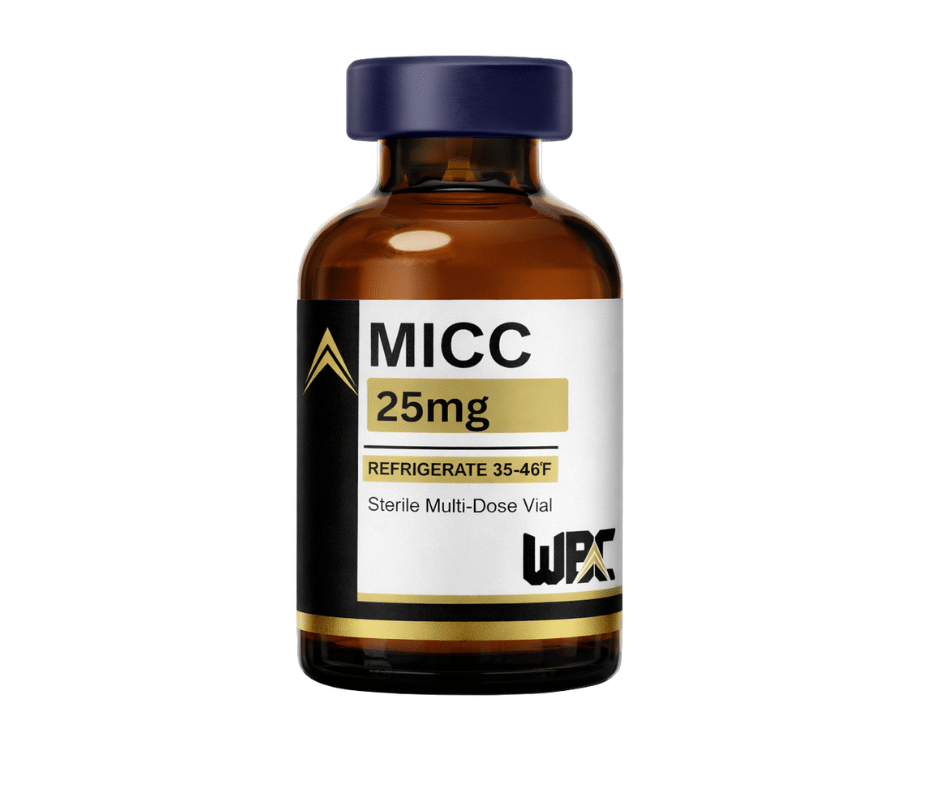
Are You a Candidate for Weight Loss Therapy?
Weight Loss Medications
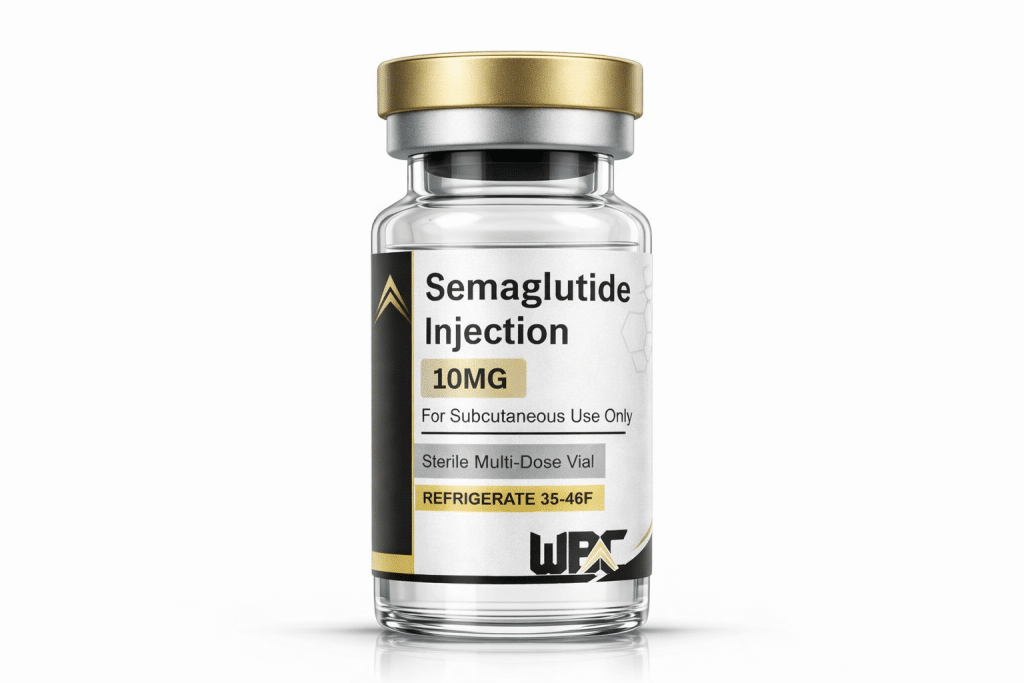
Semaglutide
Semaglutide is a clinically proven GLP1 receptor agonist used to support blood sugar control, weight management, and overall metabolic health. It works by mimicking the body’s natural glucagonlike peptide1 (GLP1) hormone, helping regulate appetite, insulin secretion, and glucose metabolism.
What Is Semaglutide?
Semaglutide is a once weekly injectable (and oral formulation) medication originally developed for the treatment of type 2 diabetes. It has since become widely recognized for its effectiveness in supporting sustainable weight loss and improving cardiometabolic health.
Primary Benefits
• Improves blood sugar control and lowers A1C levels
• Promotes significant, sustainable weight loss
• Reduces appetite and food cravings
• Slows gastric emptying, increasing feelings of fullness
• Improves insulin sensitivity
• Supports cardiovascular health
• Helps reduce inflammation associated with metabolic disease
• Convenient once weekly dosing
How Semaglutide Works
Semaglutide activates GLP1 receptors in the brain, pancreas, and gastrointestinal system. This leads to increased insulin release when blood sugar is elevated, reduced glucagon secretion, slower stomach emptying, and improved appetite regulation. Together, these effects support better glucose control and reduced caloric intake.
Safety and Tolerability
Semaglutide is well studied and generally well tolerated when dosed appropriately. Most side effects are mild to moderate and may include temporary nausea or gastrointestinal discomfort, particularly during dose escalation. Gradual titration helps improve tolerability for most patients.
Who Benefits Most
Semaglutide is ideal for individuals with type 2 diabetes, insulin resistance, obesity, or weight-related metabolic conditions. It is also beneficial for patients who have struggled with traditional weight-loss methods or who are seeking longterm metabolic improvement.
Conclusion
Semaglutide represents a major advancement in metabolic and weight management therapy. By addressing appetite regulation, insulin function, and glucose control at the hormonal level, it provides a powerful, sustainable approach to improving health, body composition, and overall quality of life.
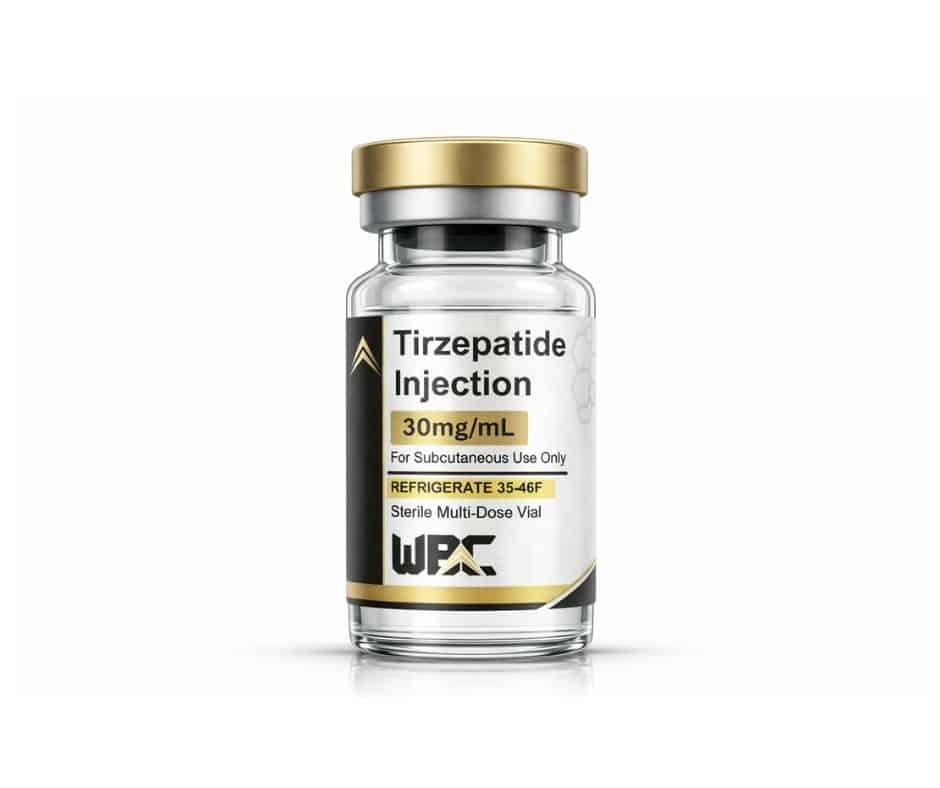
Tirzepatide
Tirzepatide (brand names: Mounjaro for type 2 diabetes, Zepbound for weight loss) is a powerful, FDA-approved injectable medication that acts on both GLP-1 and GIP receptors to improve metabolic health and promote significant fat loss.
Tirzepatide + Cyanocobalamin (Vitamin B6, B12) combines the potent GLP-1/GIP agonist Tirzepatide with B12 for enhanced energy support and reduced side effects often associated with GLP-1 therapy.
1. Substantial Weight Loss
- Up to 22.5% total body weight reduction in clinical trials (average 50–60 lbs).
- FDA-approved as Zepbound for weight loss.
2. Improved Blood Sugar Control
- Lowers A1C levels by up to 2.3%.
- Enhances insulin sensitivity and stabilizes post-meal glucose.
3. Dual Incretin Effect
- GLP-1: Promotes satiety, slows gastric emptying, and enhances insulin stimulation.
- GIP: Improves insulin secretion and metabolic flexibility.
4. Cardiometabolic Improvements
- May reduce cholesterol, triglycerides, blood pressure, and inflammation.
- Ongoing studies show potential cardiovascular benefits.
5. Appetite and Craving Reduction
- Significantly reduces hunger and emotional eating.
- Promotes longer-lasting fullness and better portion control.
Common Side Effects
- Nausea, vomiting, diarrhea, constipation
- Rare: pancreatitis, gallbladder issues, thyroid tumors (in animal studies)
- Not for use in individuals with a history of medullary thyroid carcinoma or MEN 2
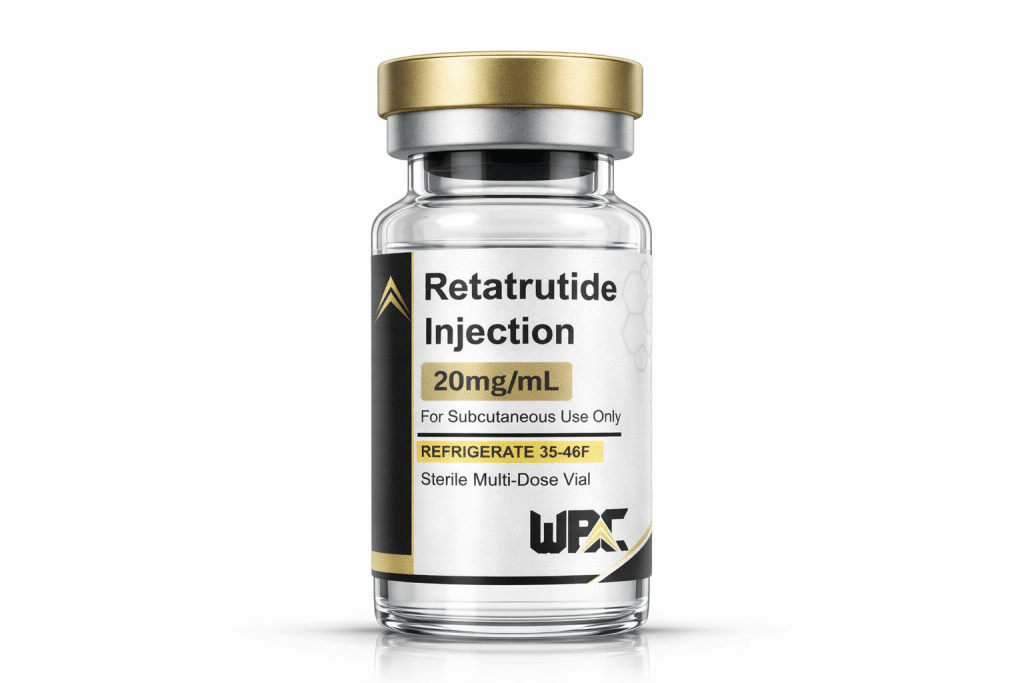
Retatrutide
Retatrutide is an investigational multi-receptor agonist developed for the treatment of obesity, metabolic disorders, and related cardiometabolic diseases. Unlike single-pathway incretin medications such as GLP‑1 agonists, Retatrutide activates three key metabolic receptors—GLP‑1, GIP, and glucagon receptors—making it a “triple agonist.” This design aims to create a more potent and comprehensive metabolic effect.
Mechanism of Action
• GLP‑1 Receptor Agonism: Slows gastric emptying, reduces appetite, and improves insulin secretion.
• GIP Receptor Agonism: Enhances insulin response and may reduce side effects like nausea.
• Glucagon Receptor Activation: Increases energy expenditure and promotes fat loss through enhanced metabolic activity.
Clinical Benefits (Based on Phase 2 Trials)
• Significant weight-loss results—up to 24% reductions in body weight over 48 weeks.
• Improved glycemic control in patients with prediabetes or Type 2 diabetes.
• Enhanced metabolic markers including cholesterol, triglycerides, and liver fat.
• Strong potential as one of the most effective metabolic medications studied to date.
Safety & Side Effects
• Common: Nausea, diarrhea, constipation, vomiting—similar to other incretin‑based therapies.
• Dose‑dependent GI effects; most resolve over time.
• Ongoing studies are evaluating long‑term safety related to glucagon receptor activation.
Clinical Status
• Retatrutide is currently in Phase 3 clinical development.
• It is not yet FDA‑approved and is available only in clinical trials.
Summary
Retatrutide represents the next evolution of metabolic medications, offering stronger and potentially faster outcomes than traditional GLP‑1 therapies. With triple‑agonist action, its ability to drive both appetite reduction and increased energy expenditure sets it apart as a leading candidate in obesity pharmacotherapy.
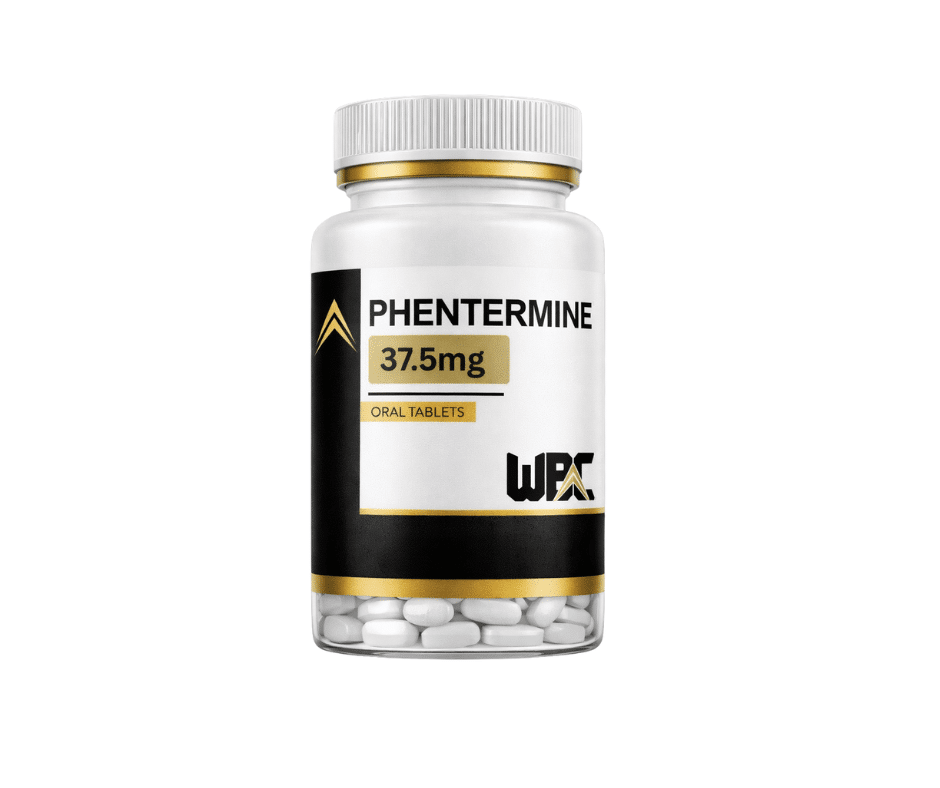
Phen X
Mechanism of Action
• GLP‑1 Receptor Agonism: Slows gastric emptying, reduces appetite, and improves insulin secretion.
• GIP Receptor Agonism: Enhances insulin response and may reduce side effects like nausea.
• Glucagon Receptor Activation: Increases energy expenditure and promotes fat loss through enhanced metabolic activity.
Clinical Benefits (Based on Phase 2 Trials)
• Significant weight-loss results—up to 24% reductions in body weight over 48 weeks.
• Improved glycemic control in patients with prediabetes or Type 2 diabetes.
• Enhanced metabolic markers including cholesterol, triglycerides, and liver fat.
• Strong potential as one of the most effective metabolic medications studied to date.
Safety & Side Effects
• Common: Nausea, diarrhea, constipation, vomiting—similar to other incretin‑based therapies.
• Dose‑dependent GI effects; most resolve over time.
• Ongoing studies are evaluating long‑term safety related to glucagon receptor activation.
Clinical Status
• Retatrutide is currently in Phase 3 clinical development.
• It is not yet FDA‑approved and is available only in clinical trials.
Summary
Retatrutide represents the next evolution of metabolic medications, offering stronger and potentially faster outcomes than traditional GLP‑1 therapies. With triple‑agonist action, its ability to drive both appetite reduction and increased energy expenditure sets it apart as a leading candidate in obesity pharmacotherapy.